

In progress Since 2023

Personal R&D / Houdini vehicle simulation study

Car Chase Project

A long-form CG chase scene built around a John Wick-inspired Mustang, desert references, dust simulation, and a self-composited driver reveal.

Houdini Cinema 4D Dust simulation Vehicle realism
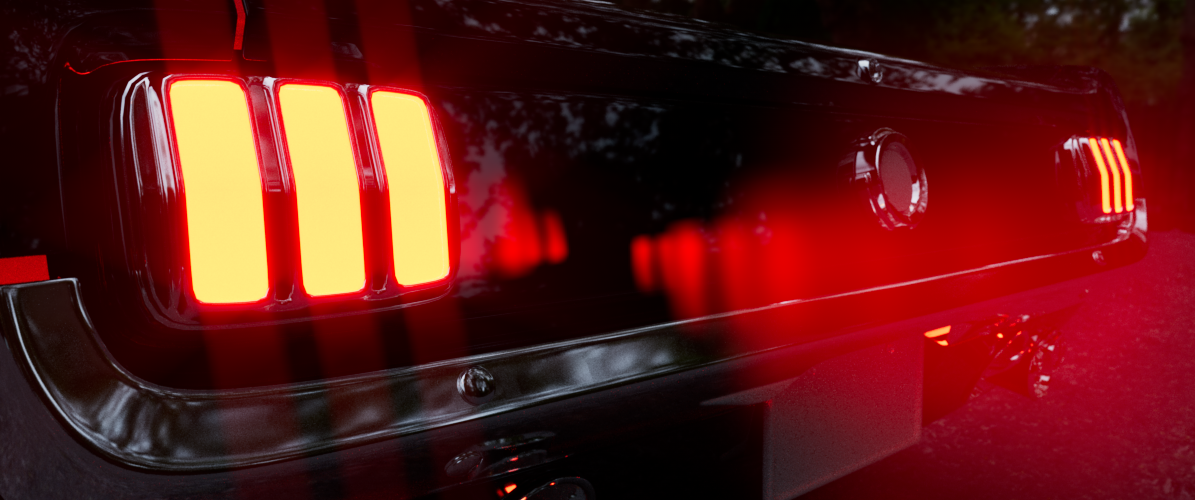
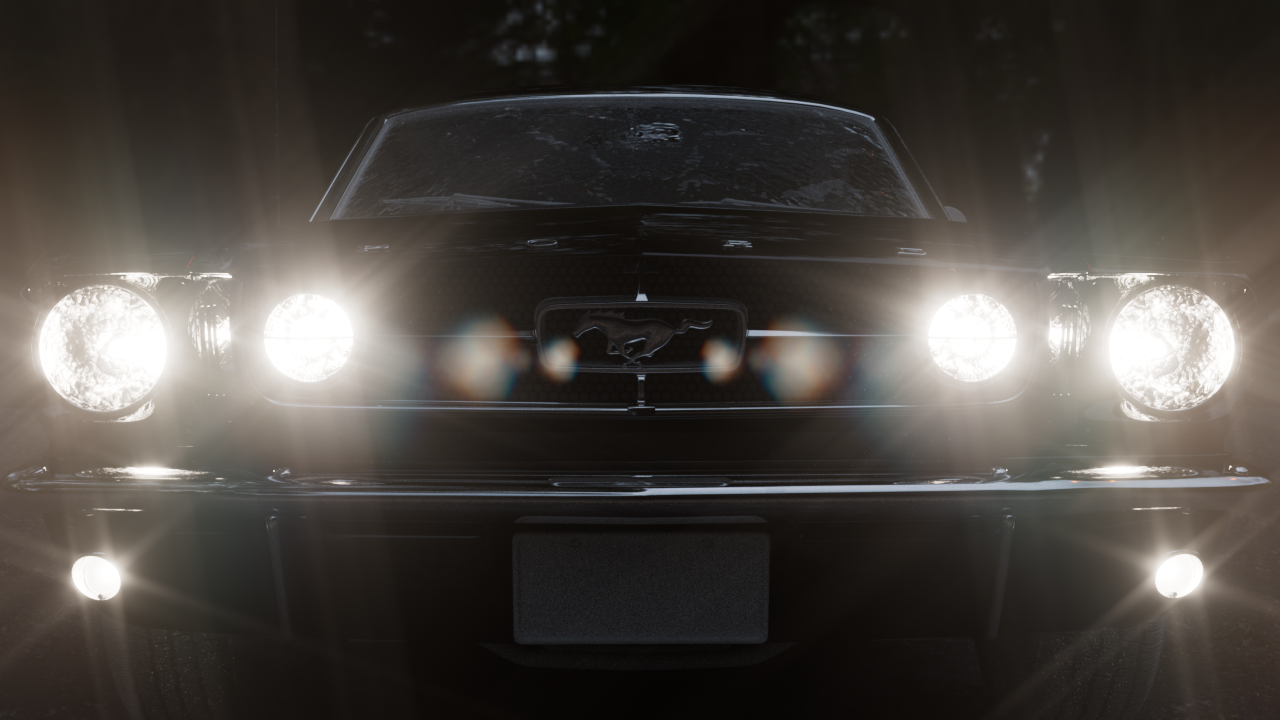
Car Chase Project back-light screen test
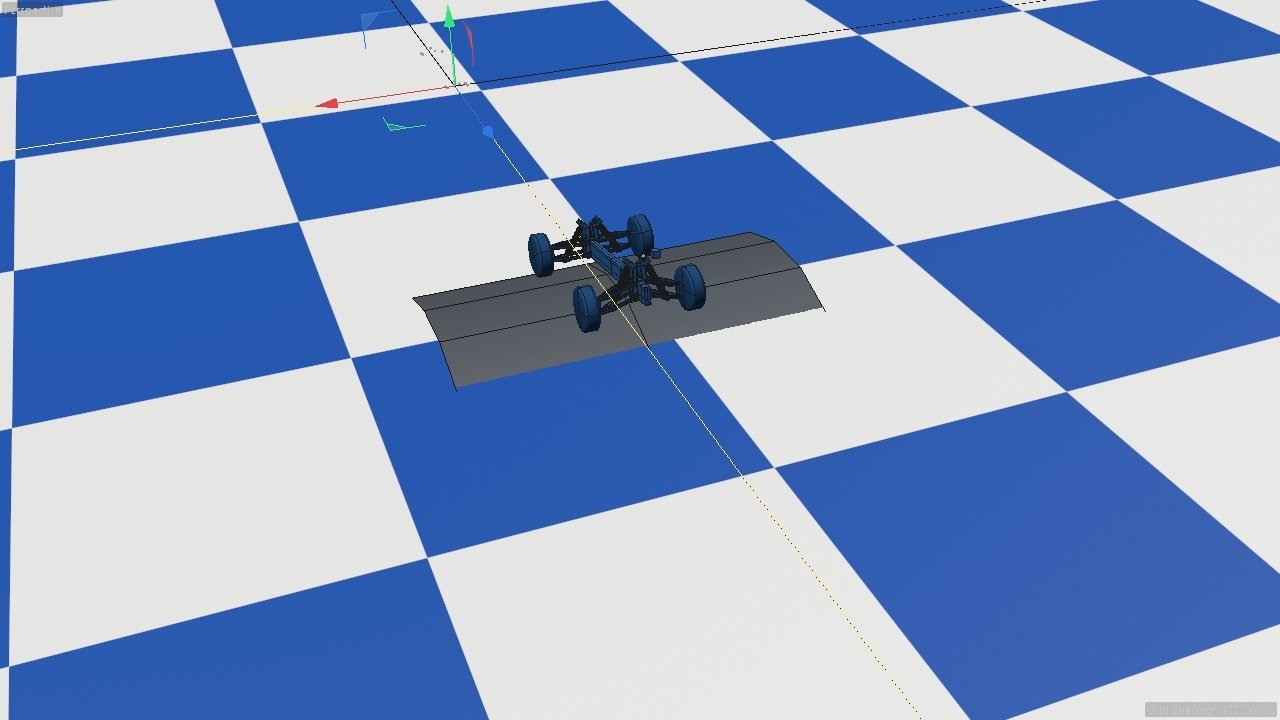
Car Chase Project drift simulation snapshot
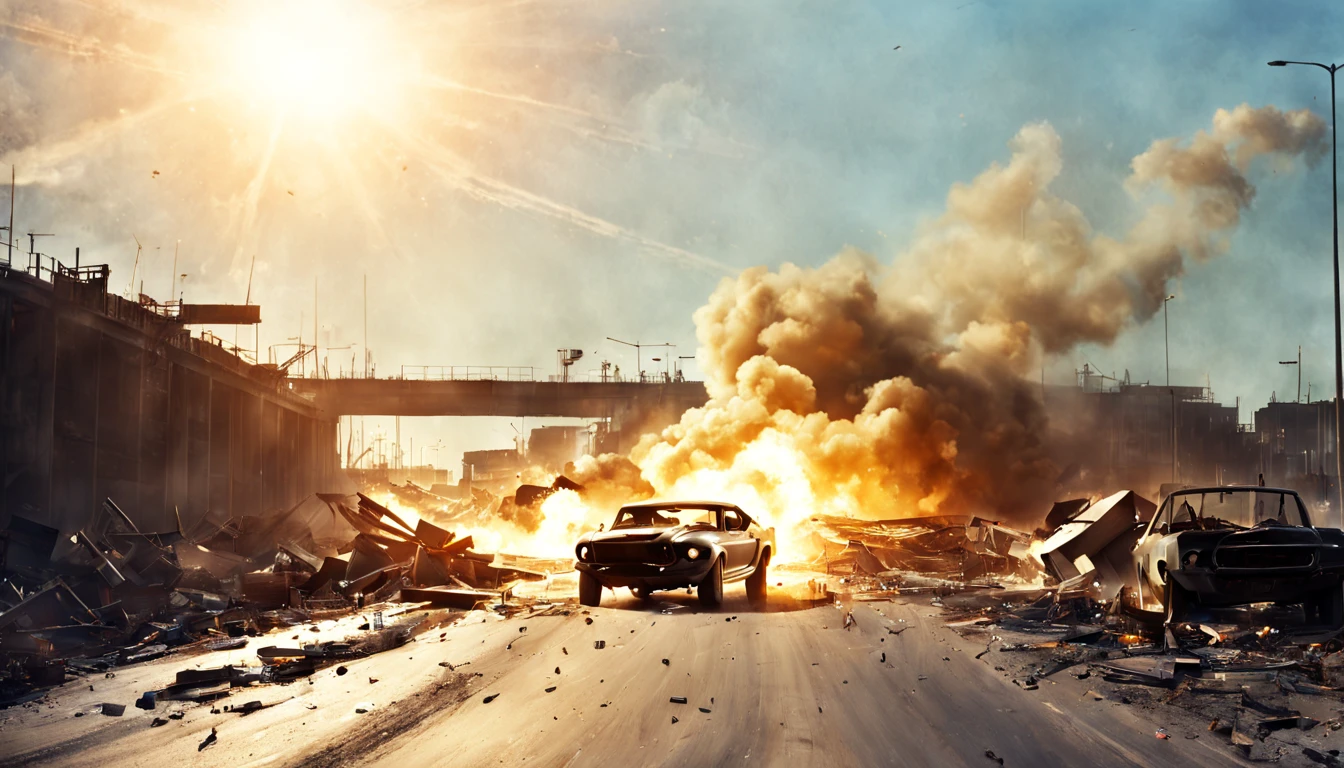
Car Chase Project concept frame

Study Paper

Build the shot by building the process.

01 / Thesis

Learn Houdini by chasing a shot that demands realism.

This project started in 2023 as a self-directed lab: an old Mustang tearing through an American desert road at speed, photographed from a drone-like camera that pushes closer and closer until the driver is revealed.
02 / Why this one

Use one car chase to test simulation, realism, compositing, and hardware limits.

The goal is not just a finished frame. It is to master vehicle behavior, dust trails, lighting, and believable CG integration, then composite a greenscreen performance of myself into the final shot.

Started December 2023 Research, concept pulls, and screen tests begin.
Core stack Houdini / Cinema 4D / Compositing Vehicle motion, dust behavior, look-dev, and final integration.
Archived sim passes Dec 26, 2023 to Jan 23, 2024 Sixteen dated flipbook videos show the rig evolving pass by pass.
Shot ambition Drone push-in to driver reveal Fast desert road, dust tail, cinematic realism, and a self-composited driver.

01 / Reference Pull

Collect the visual language first.

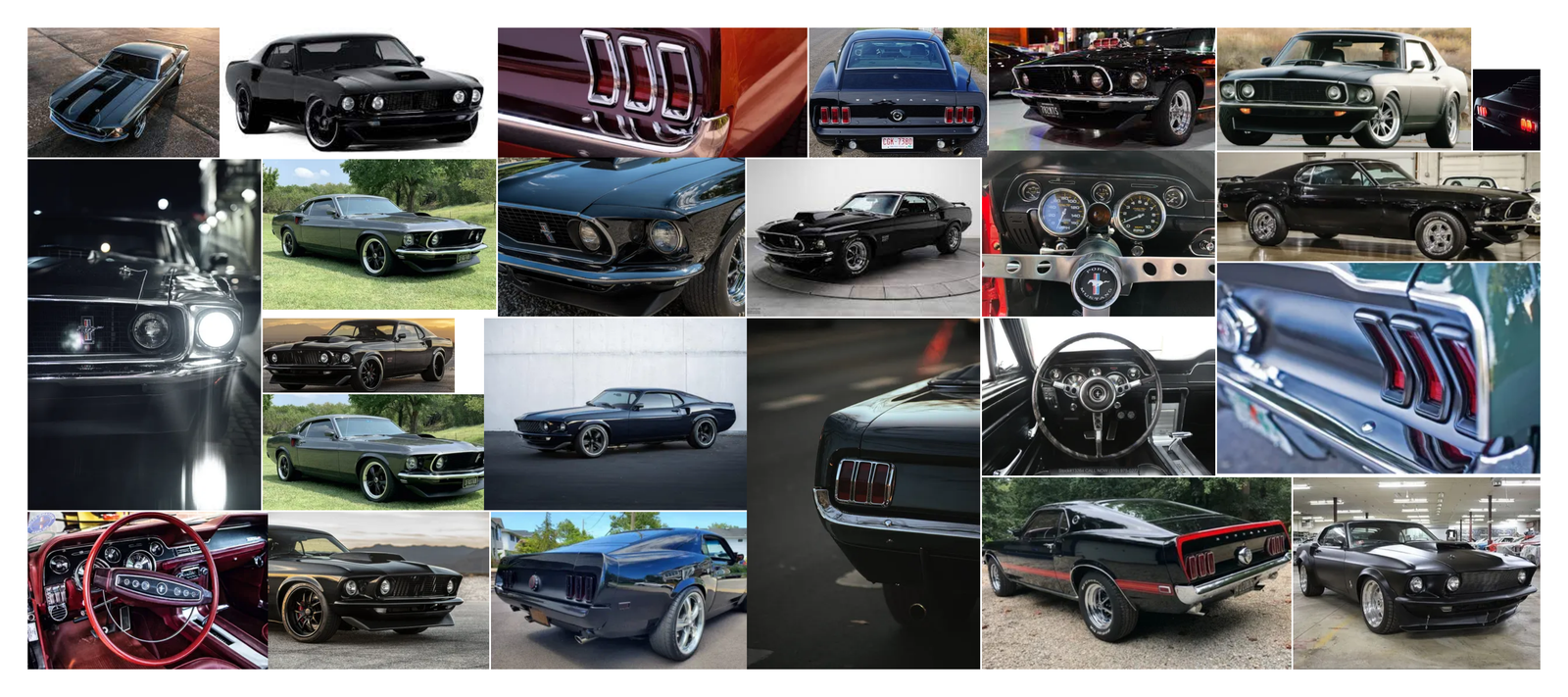
Car Chase Project reference board
Reference board assembled around muscle-car silhouette, road behavior, lensing, dust language, and the scale of an American desert chase.
Research note

The image target is speed you can feel, not just speed you can see.

The reference pull focuses on how the car sits on the road, how the dust trails separate from the rear wheels, and how wide camera spacing still keeps the vehicle readable.

That research becomes the base language for everything after it: concept frames, screen tests, and the simulation notes that follow.

02 / Screen Tests

Decide how the car should read before the full environment arrives.

Car Chase Project screen test front light render
Screen test V1, front light, dated December 22, 2023. A first look at how the Mustang reads as a hero object.
Car Chase Project screen test back light render
Screen test V2, back light, from the same day. A cleaner check for silhouette, highlights, and body shape under stronger rim treatment.

03 / Flipbook Progress

Watch the rig evolve pass by pass.

Every archived flipbook is kept in order by date, so the page reads like a progress timeline instead of only showing the best-looking tests.

V01

First motion test

The first archived flipbook is about establishing movement language and getting the base rig into motion.

V02

Second setup pass

A same-day follow-up pass, continuing the early rig behavior tests before the January iteration push.

V03

January rig development

The first January pass starts pushing the movement beyond the initial base setup.

V04

Handling variation

A fast iteration focused on comparing the feel of the vehicle motion against the previous pass.

V05

Road behavior test

Another same-day pass, building up a clearer record of what changes in the rig from test to test.

V06

Heavier motion check

This longer pass keeps testing how the car carries weight through the move.

V07

Motion cleanup

The archive moves into cleanup and comparison, checking whether the car feels more controlled.

V08

Quick diagnostic pass

A short diagnostic export, useful for catching behavior quickly without committing to a longer render.

V09

Pre-friction pass

This pass sits right before the clearly named friction-problem test, showing the issue becoming visible.

V10

Friction problem test

This pass isolates a handling issue directly in the filename, turning the flipbook into a record of problem-solving.

V11

Post-friction adjustment

A follow-up export after the friction issue, checking whether the motion starts to behave more naturally.

V12

Control pass

This pass continues tightening the vehicle behavior before the braking and drifting study.

V13

Braking and drifting study

By this point the study is no longer just about forward motion; it is about believable weight shifts and aggressive handling.

V14

Drift follow-up

A continuation pass after the braking/drifting study, keeping the motion archive moving forward.

V15

Late-stage behavior pass

The final long pass before the latest archived quick test, showing the rig close to the end of this study phase.

V16

Latest archived quick pass

The archived sequence closes with a lighter quick pass, useful as a marker for where the rig had reached before the next stage.

04 / Planned Final Shot

What the finished sequence still needs.

Shot design

Wide drone energy, then a controlled push to the driver.

The idea is to begin with speed and scale, then close the distance until the camera reveals the driver. That driver will be a greenscreen performance of myself, composited back into the shot.

What remains

Environment, dust, integration, and the final realism pass.

The project is still open because the real finish depends on the hard parts: desert environment build, dust behavior, camera confidence, driver integration, and enough realism to surprise people.

In Progress

The study is still active.

Built to learn Houdini deeply, push realism, and keep the final shot worth finishing.